Electricity, Water, Toll Roads: What will become more expensive in Serbia in 2026
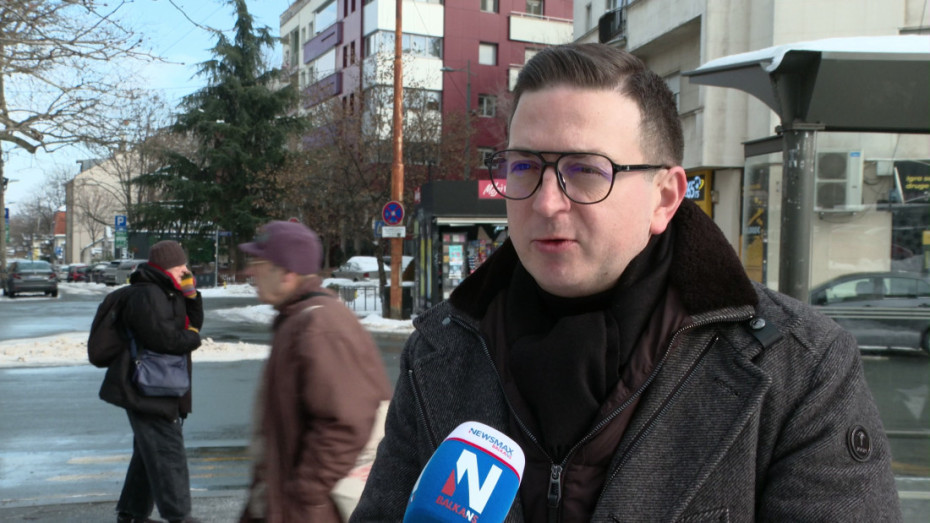
Printscreen: Newsmax Balkans
The start of 2026 brings a new wave of price increases for Serbian citizens, putting additional pressure on household budgets. Higher prices for utility services, energy, taxes, and excise duties are already in effect or are expected by the end of the year.
The authorities say these increases are part of an adjustment to inflation and European standards.
Nevertheless, the cost of living continues to rise.
In 2026, price growth is expected across several areas that directly affect the everyday lives of citizens in Serbia.
This year marks a continuation of rising prices in many segments of the domestic economy, driven by a combination of inflationary pressures, fiscal policies, and changes in regulatory frameworks.
This means that living costs for most citizens will increase. At the same time, the minimum wage will be raised by 10.1 percent.
Economists believe that wage growth should be able to keep pace with costs.
Printscreen: Newsmax Balkans
"What is expected is a, conditionally speaking, modest, but positive growth that should exceed the level of inflation. From that perspective, a slight increase in income levels is anticipated, and consequently in the standard of living, with citizens having some additional income available to allocate perhaps to additional living needs or groceries, or to a moderate extent - to savings. Of course, this is individual and depends on the industry you work in, the type of job, and similar factors", said Prof. Dr. Veljko Mijusković for Newsmax Balkans.
The price of electricity has already increased by 6.6 percent since October 2025, lowering the threshold for entering the most expensive “red zone.” In addition, the arrangement with the IMF stipulates a further adjustment of electricity prices by October this year, meaning electricity could become more expensive again.
In Belgrade, the price of water supply and wastewater disposal is increasing by about 9.5 percent. In Zrenjanin, as of January 1, the price per cubic meter of water from the municipal water system jumped from 29 dinars to 129 dinars, excluding VAT.
Around 5 Percent Higher Property Tax
When it comes to the average price per square meter of real estate, which serves as the basis for calculating property tax, Belgrade residents will pay around five percent more in 2026. The capital is not an isolated case - higher property taxes will also burden citizens in other cities.
As of this year, new and higher toll prices on highways are in effect, adjusted for inflation, and toll collection is also being introduced for trucks on main roads.
The film festival - first in the world ever dedicated to the great scientist Nikola Tesla - explores themes of invention, technology, human potential, and revolutionary ideas.
The European Water Polo Championship was ceremonially opened in Belgrade. The competition officially begins with first-round matches in Groups A and C at the Arena and concludes with the final on January 25.
In addition, tobacco products will become more expensive due to increases in excise duties.
Further pressure on the economy comes from new taxes on greenhouse gas emissions and on imports of products with a high carbon footprint. All of this may lead to higher product costs.
In short, all indicators suggest that 2026 will bring a continued rise in living costs, particularly in the areas of energy, utilities, and taxes, which remains one of the key challenges for both citizens and the economy. However, Sladjana, we will see what this year will actually bring, how inflation will affect these costs, and how wages will respond.
Newsmax se bavi temama, a ne pukim prenošenjem informacija. Informišemo, ali želimo i da objasnimo, analiziramo, istražimo. Osvrnućemo se na izazove i prilike s kojima se suočavamo, analizirajući kako se aktuelna dešavanja reflektuju na naš svakodnevni život. Kroz razgovore sa stručnjacima i akterima iz različitih oblasti, pružićemo dublji uvid u važne teme koje se tiču politike, ekonomije, obrazovanja i društvene pravde. Pridružite nam se u ovoj analizi i saznajte više o pitanjima koja su važna za sve nas.
vesti
12:30
NEWSMAX USA-TOP STORY
Prikazuje karusel dnevnih objava i najnovijih vesti, sagledanih iz svih uglova. Spoj popularnih priča i najvažnijih vesti koje ostaju vidiljive danima, često inspirisana glavnim događajem dana ili nedelje.
specijal
13:00
EXPO 2027-IPM 01
Beograd će 2027. godine biti svetska „prestonica igre“: od 15. maja do 15. avgusta održava se EXPO s temom „Igra(j) za čovečanstvo – Sport i muzika za sve“. Tada će na izložbenom prostoru države učesnice prikazati svoj doživljaj teme, ali i svoju kulturu i običaje. Okupljeni na drugom Međunarodnom sastanku učesnika, predstavnici više od stotinu država doneli su brojna pitanja, ali i predloge o tome kako bi trebalo da izgleda nastup na EXPO 2027.
dokumentarni
13:30
STAV NEDELJE (R)
O porastu obolelih od uroloških karcinoma? Kada će robotska hirurgija postati realnost u Srbiji? Da li je Orden Karađorđeve zvezde promenio njegov život? Gde je granica između medicine i duhovnosti? Gost „Stava nedelje“ je profesor doktor Zoran Džamić, hirurg urolog i subspecijalista onkologije, direktor Klinike za urologiju Univerzitetskog kliničkog centra Srbije.
specijal
14:00
INFORMATIVNA EMISIJA-VESTI
Najvažnije vesti dana iz zemlje, regiona i sveta. Kratko, jasno i provereno.
vesti
14:10
RAZUMNO
Opozicija u hrvatskom narodu u Bosni i Hercegovini objavila je da je Zdenko Lučić njihov kandidat protiv HDZ-ove Darijane Filipović. Može li opozicija biti izborni pobjednik i nakon skoro 30 godina HDZ BiH i Dragana Čovića poslati u opoziciju. Gost emisije je Ilija Cvitanović, predsjednik HDZ 1990
Ako planirate putovanje, produženi vikend ili posjetu rodbini, jedno od najčešćih pitanja jeste šta uraditi sa mačkom i koliko dugo je bezbedno ostaviti je samu.
Finale za Pesmu Evrovizije održava se u Beču, a za titulu pobednika nadmetaće se 25 zemalja, među kojima i Srbija pod brojem devet. Prema podacima sajta Eurovisionworld, među deset najvećih favorita nalaze se Finska, Australija, Grčka, Izrael, Rumunija, Danska, Italija, Francuska, Švedska i Malta.
U Višem javnom tužilaštvu u Beogradu saslušan je Veselin Milić, zbog sumnje da je kao načelnik Policijske uprave za grad Beograd izvršio više krivičnih dela u cilju prikrivanja dela Teško ubistvo u pokušaju u restoranu na Senjaku 12. maja nakon čega je prijavljen nestanak Aleksandra Nešovića Baje.
Od ponoći svim građanima Republike Srbije dostupna je mogućnost uvida u pregled broja birača po adresi putem unošenja jedinstvenog matičnog broja građana i broja lične karte, saopštilo je Ministarstvo državne uprave i lokalne samouprave.
Predsednik Srbije Aleksandar Vučić apelovao je na medije da ne prenose neproverene informacije u vezi sa istragom nestanka i navodnog krivičnog dela, ističući da telo muškarca (Aleksandra Nešovića) do ovog trenutka nije pronađeno.
The head of the Belgrade Police Department, Veselin Milic, has been detained on suspicion of committing the criminal offenses of “failure to report a criminal offense and its perpetrator” and “assisting an offender after the commission of a criminal offense” in connection with the disappearance of
U.S. President Donald Trump and Chinese President Xi Jinping began their meeting in Beijing with messages about strengthening cooperation between the two countries.
Ahead of the meeting between United States President Donald Trump and Chinese President Xi Jinping in Beijing, a security incident occurred, Newsmax Balkans reporter said.
The first joint military exercise between Serbia and NATO, organized by the Serbian Land Forces Command and the Allied Joint Force Command Naples, is being held this and next week at the "Jug" base and the "Borovac" training ground near Bujanovac, the Ministry of Defence announced.
Minister of Mining and Energy Dubravka Djedovic Handanovic stated that a revised proposal from the Hungarian company MOL Group regarding NIS arrived late on Tuesday, but that the Serbian side remains dissatisfied with the solutions being offered.
At the first semi-final of the Eurovision Song Contest, ten countries secured their place in the grand final, which will take place in Vienna on Saturday, May 16. Serbia’s representative at the festival in Vienna - the band Lavina - also qualified for the final.
Telekom Srbija successfully completed an international corporate bond issuance, raising €1.95 billion amid exceptionally strong investor demand that reached $13.87 billion, making this transaction the largest in the region.

















Komentari (0)