New SEPA Rules: Serbia Joins the European Payments Area – What It Means for Citizens
Foto: Envato
Starting May 5, citizens and businesses will be able to make payments in euros under the same conditions as in the Single Euro Payments Area (EU, Iceland, Norway, Liechtenstein, Switzerland, UK), enabling cashless euro transactions across Europe.
On this day 27 years ago, March 24th , 1999, at 7:53 PM, the attack on the Federal Republic of Yugoslavia began, carried out without the approval of the UN Security Council.
Major changes on Serbia’s political scene cannot occur so rapidly, and my message to the student and anti-government bloc is not to expect too much from the local elections on March 29, said public relations expert Predrag Vujovic in an interview for Newsmax Balkans.
In May last year, Serbia officially became the 41st member of SEPA (Single Euro Payments Area), which enables cashless euro payments to be carried out under favorable and standardized conditions across all member states of this payment area, according to the europa.rs portal.
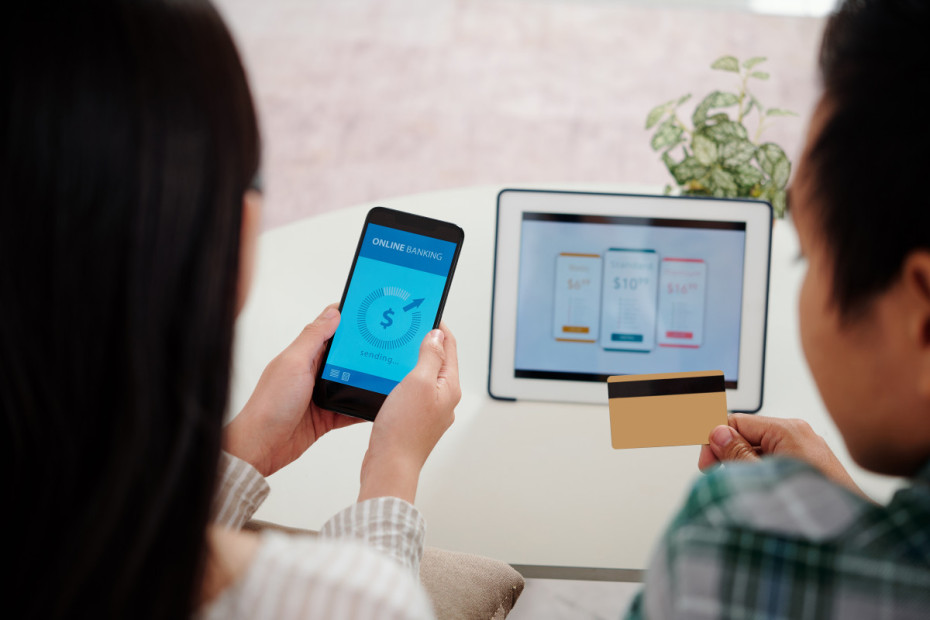
These changes will significantly facilitate and accelerate money transfers and reduce transaction costs from Serbia to abroad, as well as from abroad to Serbia. This represents an important step for citizens in Serbia and the hundreds of thousands of Serbian nationals living and working in the EU.
As Serbia conducts the majority of its foreign trade with the European Union – its most important economic partner – SEPA membership will also be a significant factor for businesses and overall economic trends in the country.
What does Serbia’s entry into SEPA mean in practice?
Since Serbia is not an EU member, this has made many things more difficult for its citizens, including money transfers with those countries. Instead of taking several days, as was often the case until now, transactions will be completed within one business day.
For citizens, this means faster and cheaper remittances. For companies, it means simpler payments to suppliers and faster collection from partners across Europe, along with lower operating costs.
Foto: Envato
Joining the SEPA area has enabled banks to connect to SEPA payment schemes and provide euro-denominated payment services in line with the unified rules and standards that apply within these schemes. In practice, this means that euro payments will be processed in the same way, under the same technical and business rules, regardless of whether the transaction is carried out within a single country or between different SEPA member states.
The implementation of common standards and infrastructure will bring greater efficiency, speed, and transparency to transactions, and for Serbia in particular, an improved business environment and a more attractive image for foreign investors.
What is changing, and what remains the same?
Joining the SEPA area is not just a financial and technical step – it is also confirmation that Serbia has aligned its regulatory framework with European standards in the field of payment services, representing a concrete step forward on its path toward European integration.
In the first phase, banks in Serbia are joining the SEPA Credit Transfer scheme, while SEPA Instant – which enables money transfers within seconds, 24/7 – is expected in the coming years.
Foto: Envato
It is important to emphasize that SEPA applies exclusively to euro-denominated transactions with foreign countries.
The system does not impose additional obligations on citizens or businesses; the only requirement is to use the correct IBAN number of the recipient’s account.
Although the system originated as part of a European Union initiative following the introduction of the euro, participation in SEPA is not conditional on the euro being the official currency of a given country, and over time it has expanded beyond the EU’s borders.
What is SEPA?
The Single Euro Payments Area (SEPA) is a project launched by the European banking industry with the support of national governments, the European Commission, and the European System of Central Banks.
Its goal was to eliminate the distinction between domestic and cross-border euro payments.
Thanks to the SEPA system, citizens and companies can make cashless euro payments anywhere within the European Union, as well as in a number of countries outside it, quickly, securely, and efficiently – just as they would within their own country.
Najvažnije vesti dana iz zemlje, regiona i sveta. Kratko, jasno i provereno.
vesti
14:10
NAŠA PRIČA
Jutarnji program „Otvori oči“ gledaocima nudi analizu aktuelnih dešavanja od prethodnog dana i najavu predstojećih događaja uz analizu eminentnih stručnjaka i renomiranih gostiju. Emisija nudi uvid u aktuelna pitanja, uz kvalitetne analize i inspirativne price naših dopisnika I reportera koji će se uvek naći “na pravom mestu u pravo vreme”.
specijal
15:00
INFORMATIVNA EMISIJA-PRESEK
Newsmax se bavi temama, a ne pukim prenošenjem informacija. Informišemo, ali želimo i da objasnimo, analiziramo, istražimo. Osvrnućemo se na izazove i prilike s kojima se suočavamo, analizirajući kako se aktuelna dešavanja reflektuju na naš svakodnevni život. Kroz razgovore sa stručnjacima i akterima iz različitih oblasti, pružićemo dublji uvid u važne teme koje se tiču politike, ekonomije, obrazovanja i društvene pravde. Pridružite nam se u ovoj analizi i saznajte više o pitanjima koja su važna za sve nas.
vesti
15:30
NAŠA PRIČA
Jutarnji program „Otvori oči“ gledaocima nudi analizu aktuelnih dešavanja od prethodnog dana i najavu predstojećih događaja uz analizu eminentnih stručnjaka i renomiranih gostiju. Emisija nudi uvid u aktuelna pitanja, uz kvalitetne analize i inspirativne price naših dopisnika I reportera koji će se uvek naći “na pravom mestu u pravo vreme”.
specijal
16:00
GrađaНИН (R)
GrađaНИН sa Aleksandrom Timofejevim je emisija informativnog karaktera u kojoj autor, inače glavni i odgovorni urednik NIN-a, razgovara sa kolegama i gostima o aktuelnim temama kojim se već punih 90 godina bavi ugledni NIN, najstariji nedeljnik na Balkanu i šesti po „krštenici“ u Evropi. Gosti dolaze iz različitih sfera interesovanja publike i autora. Nema tabu tema i što je možda najvažnije u ovim vremenima velike podeljenosti u Srbiji, emisija prati uredjivačku politiku NIN-a, a to je da ima sagovornike sa svih strana kako iz politike tako i svega ostalog iz zemlje, regiona i sveta važnog za život gradjana Srbije. GrađaНИН је еmisija koja prati život, postavlja pitanja, dobronamerno kritikuje i trudi se da nam svako danas bude bar malo bolje nego juče, a svako sutra bolje nego danas.
specijal
17:00
INFORMATIVNA EMISIJA-VESTI
Najvažnije vesti dana iz zemlje, regiona i sveta. Kratko, jasno i provereno.
Skup u organizaciji studenata u blokadi, koji se pod sloganom "Ti i ja, Slavija, jer studenti pobeđuju" održava na Trgu Slavija u Beogradu, počeo je oko 18.20 obraćanjem predstavnice studentskog pokreta.
U Beogradu postoje dve do tri hiljade pčelinjih društava ili rojeva koji se slobodno kreću, rekao je za portal Newsmax Balkans predsednik Beogradskog društva pčelara Stanko Rajić. Iako će ova informacija mnogima zvučati dramatično, Rajić uverava da je panika oko rojeva pčela samo puko neznanje.
Na prostoru između Starog dvora i zgrade Predsedništva Srbije, u Ulici kralja Milana, došlo je do incidenta nakon završetka studentskog skupa na Trgu Slavija, javlja reporter Newsmax Balkans. Ministar policije Ivica Dačić saopštio je oko 22.15 da su u neredima privedene 23 osobe.
Interior Minister Ivica Dacic stated that during the incidents following the May 23 gathering in Belgrade, 17 police officers were injured and 47 individuals were brought to Interior Ministry premises, including one person holding a diplomatic ID card.
Serbian President Aleksandar Vucic stated that the visit to China is of great importance for Serbia and expressed hope that more than 30 agreements and arrangements will be signed.
The Speaker of the National Assembly of Serbia, Ana Brnabic, stated that according to data from Eurostat, Serbia, together with Cyprus, was the fastest-growing economy in Europe in the first quarter of this year.
The President of Serbia, Aleksandar Vucic, speaking about the calling of snap parliamentary elections, told Radio Television of Serbia that they would be held sometime between September and November.
Serbian President Aleksandar Vucic held talks with Ukrainian Deputy Prime Minister Taras Kachka regarding a free trade agreement, stronger economic cooperation, and energy issues, emphasizing that there is significant room for expanding the partnership between the two countries.
European Commissioner for Enlargement Marta Kos assessed that the adoption of four electoral laws in the Serbian Parliament represents an important step toward free and fair elections, and announced continued cooperation with the authorities on the remaining reforms.
The President of the Republic of Serbia, Aleksandar Vucic, will pay an official visit to the People’s Republic of China from May 24th to 28th, according to a statement issued by the President’s Media Cooperation Office.
The Director of the Office for Kosovo and Metohija, Petar Petkovic, stated that the plans to establish a Kosovo Gendarmerie were announced as part of Albin Kurti’s election campaign, emphasizing that KFOR remains the only legitimate armed force in Kosovo.
Unknown individuals broke the entrance door of the Serbian medical clinic in the village of Banjska, near Vucitrn, and the sight of shattered glass and damage was discovered by a clinic employee who arrived for work this morning, the Office for Kosovo and Metohija announced.
















Komentari (0)